
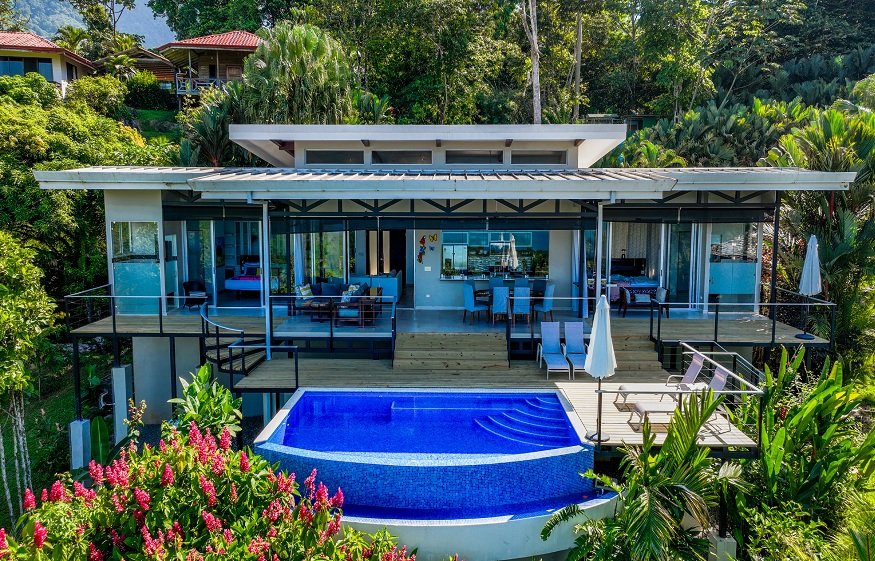
A decade ago, “wellness travel” usually meant one afternoon at a hotel spa in the middle of an otherwise ordinary vacation. That version of wellness tourism is fading. In its place is a model where the entire trip, accommodation, meals, activities, and pacing, is built around health from the start. Nowhere is that shift more visible than in the growing demand for a luxury family retreat in Costa Rica, where wellness is the organizing idea for the whole itinerary rather than a single add-on.
The Old Model: Wellness as an Add-On
The traditional approach treated wellness as optional extra spending layered onto a standard trip: a massage booked for one afternoon, a yoga class offered as a hotel feature, a smoothie bar by the pool. It was pleasant, but it rarely changed how the rest of the trip was structured, and it rarely produced anything that outlasted the vacation itself. Guests would return home having relaxed for a week, but with none of the underlying habits, better sleep, more movement, better nutrition, actually built into their routine.
The New Model: Wellness as the Whole Trip
The current shift treats wellness as the foundation, not the extra. That means meals planned around nutrition rather than convenience, activity built into each day rather than optional, and accommodations chosen specifically because they support the goal, rather than because they happen to have a spa on-site. According to the Global Wellness Institute, wellness tourism spending reached roughly $894 billion in 2024 and has been growing faster than general tourism every year since 2019, a clear signal that this isn’t a passing shift.
Key Trends Driving the Change
A few forces are pushing wellness travel toward this fuller model:
Read More: Indian restaurants in London: 4 magical addresses not to be missed
- Personalization: travelers want programming built around their specific goals, not a generic package
- Family inclusion: wellness travel is no longer marketed primarily at solo travelers or couples
- Private settings: more travelers prefer a private property over a shared retreat center
- Evidence-based programming: interest in research-backed approaches, like Blue Zone longevity habits, over generic spa treatments
What This Means for the Travel Industry
This shift has real implications beyond individual trips. Properties that once treated wellness as a single line item on a menu, one spa treatment among many services, are increasingly restructuring their entire offering around it: hiring nutrition-focused chefs, building relationships with local guides for nature-based movement, and rethinking room design around sleep quality rather than just aesthetics. Travel providers slow to make that shift risk looking dated next to properties that have rebuilt their whole guest experience around this demand.
Why Families Are Driving Demand for the Full Retreat Model
Families in particular have pushed this shift forward. A luxury family retreat in Costa Rica lets parents build in the wellness elements they want, movement, real food, time outdoors, without sacrificing the parts of a family trip that matter just as much, adventure, connection, and downtime for kids. That combination is much harder to achieve at a spa-centric center built primarily for adult solo travelers.
How to Tell If a Property Is Genuinely Wellness-Focused
Not every property using wellness language in its marketing has actually restructured anything. A few signals tend to separate genuine wellness-focused properties from ones simply using the term:
Read More: The best Indian restaurants in London
- Meals are described in terms of ingredients and nutrition, not just menu items
- Activities are built into the daily flow rather than offered as a separate paid add-on list
- Staff can speak specifically about the programming’s purpose, not just its schedule
- The property’s own materials describe wellness as central to the stay, not as one bullet point among many
What to Look for in a Costa Rica Luxury Villa Built for This
Not every villa is set up to support a full wellness itinerary. Worth checking for before booking:
- A private chef able to plan meals around specific dietary or nutritional goals
- Enough outdoor space and access to nature to support daily movement
- Flexibility to bring in outside instructors or guides for specialized programming
- Enough privacy and space to let the group set its own pace, rather than following a fixed schedule
Looking Ahead
If current growth rates hold, wellness tourism spending is projected to keep climbing well past its current pace over the next several years, according to multiple industry market research firms tracking the sector. What’s likely to change isn’t so much the size of the category as its shape: less emphasis on standalone spa facilities, more emphasis on properties and destinations that can support a fully integrated wellness stay, private accommodations, real nutrition, guided movement, and genuine access to nature, all built into a single trip rather than assembled piecemeal.
Conclusion
The shift from a spa day to a full retreat experience reflects a simple change in expectations: travelers want a vacation that actually contributes to their health, not just a break from their routine. As that demand keeps growing, a luxury family retreat in Costa Rica, built around a Costa Rica luxury villa rather than a shared facility, looks increasingly like the model the rest of the industry is trying to catch up to.
For travelers planning a trip around this idea for the first time, the simplest starting point is deciding what “better” actually means for your own group, more rest, more movement, better food, more connection, and then choosing a destination and property that can genuinely support that goal, rather than one that simply advertises wellness as an afterthought.